Why Your Carpet Looks Clean but Isn’t (And What Most Homeowners Miss)
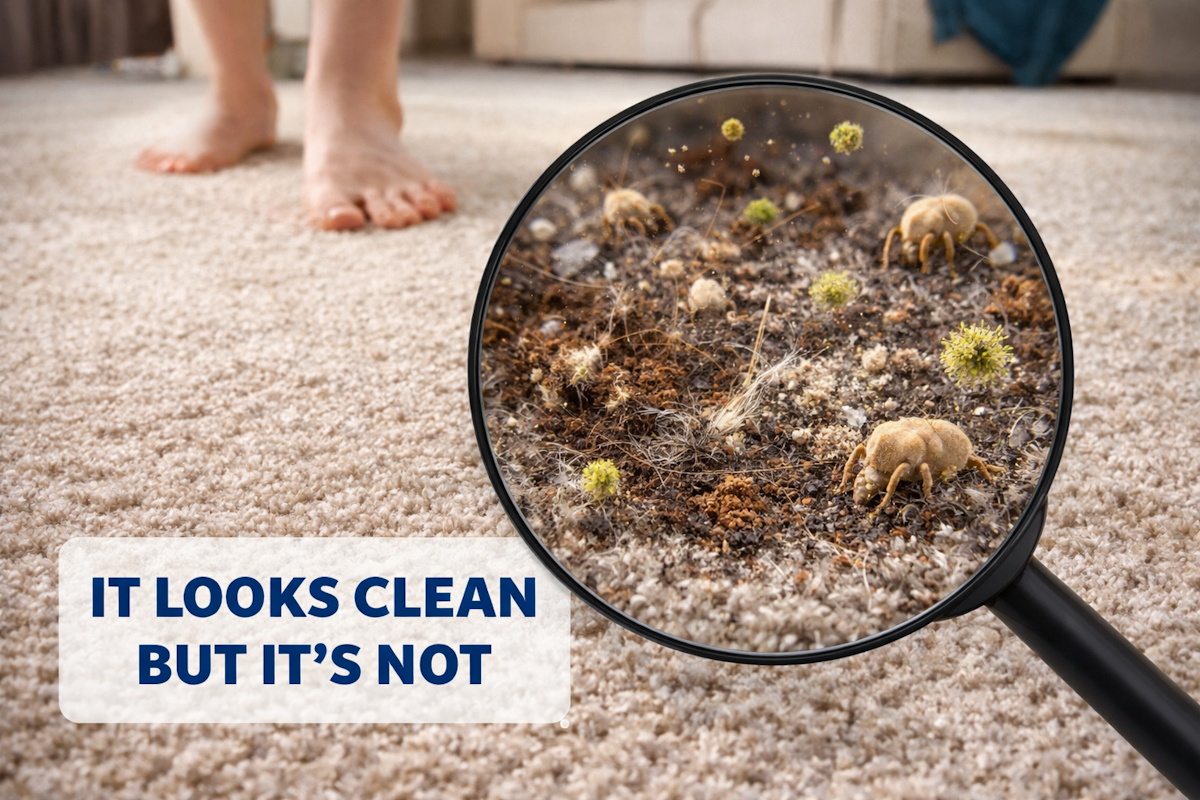
At first glance, a carpet can look perfectly clean. No visible stains, no obvious dirt, no strong odours. For many homeowners, that’s enough to assume everything is fine. But in reality, what you see on the surface is only a small part of what’s actually inside your carpet.
Carpet works like a filter. Every day, it traps dust, allergens, hair, skin particles, and microscopic debris that settles deep into the fibres. Even with regular vacuuming, a large portion of this material stays embedded below the surface. Over time, this hidden buildup starts affecting both the look of the carpet and the air quality inside the home.
One of the most common misconceptions is that vacuuming is enough. While vacuuming is essential, it mainly removes loose surface debris. The deeper layers - where moisture, bacteria, and compacted dirt collect - remain untouched. This is why carpets can feel slightly sticky, dull, or “tired” even when they appear clean.
Another issue is gradual contamination. Unlike a visible spill, everyday buildup happens slowly. You don’t notice it day by day. But over months, the carpet fibres lose their softness, colours become muted, and the room itself can start to feel less fresh without any obvious reason.
Odours are also often misunderstood. A carpet doesn’t need to smell bad to be holding unwanted particles. In many cases, odours only appear when humidity increases or when the carpet is disturbed - for example, after walking or moving furniture. That’s usually a sign that something is trapped deeper inside.
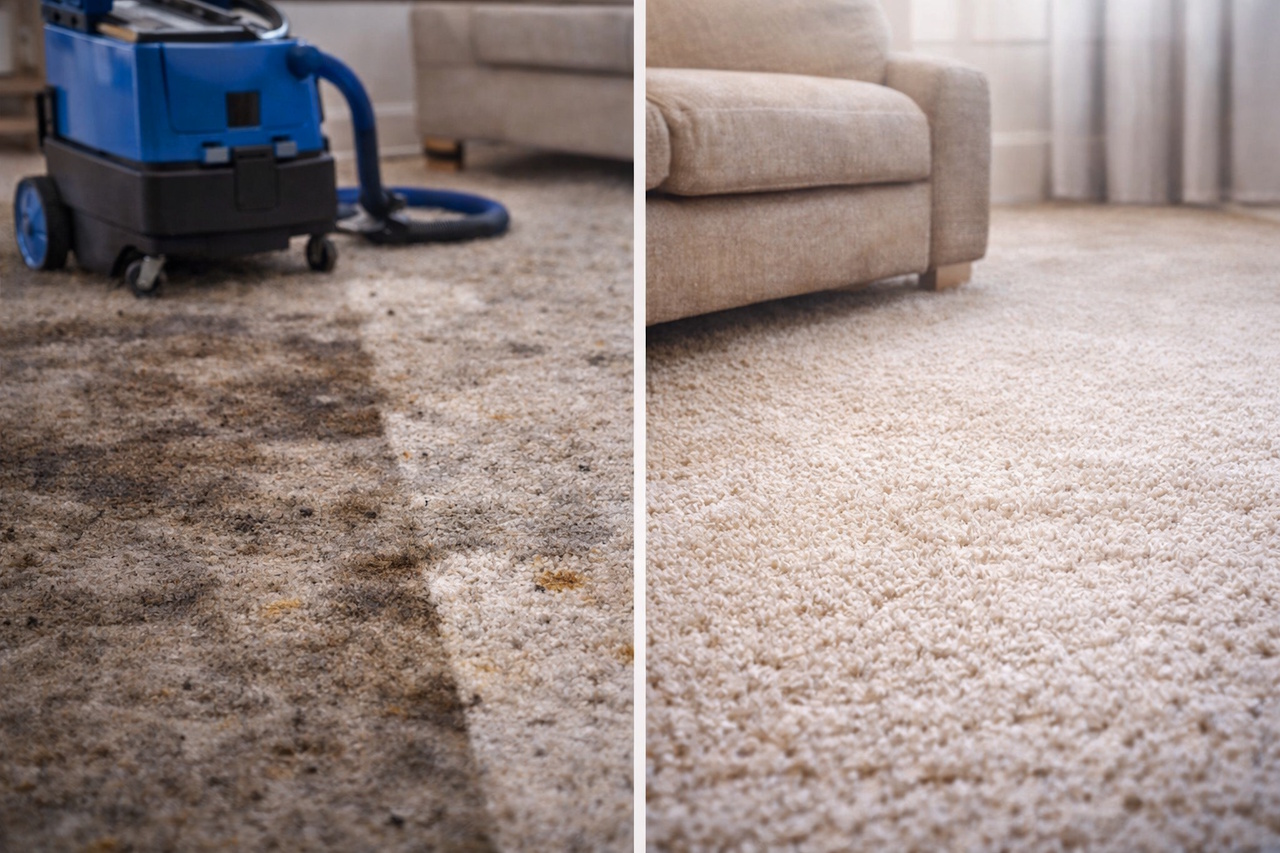
Professional cleaning changes this at a structural level. Instead of just removing what’s on top, it flushes out what’s embedded within the fibres. Hot water extraction, when done properly, lifts out compacted dirt, breaks down residue, and restores the natural texture of the carpet. The difference is not just visual - it’s noticeable in how the space feels.
Many homeowners describe the result as the room feeling “lighter” or “fresher,” even though nothing else has changed. That’s because carpets directly influence indoor air and comfort more than most people realize.
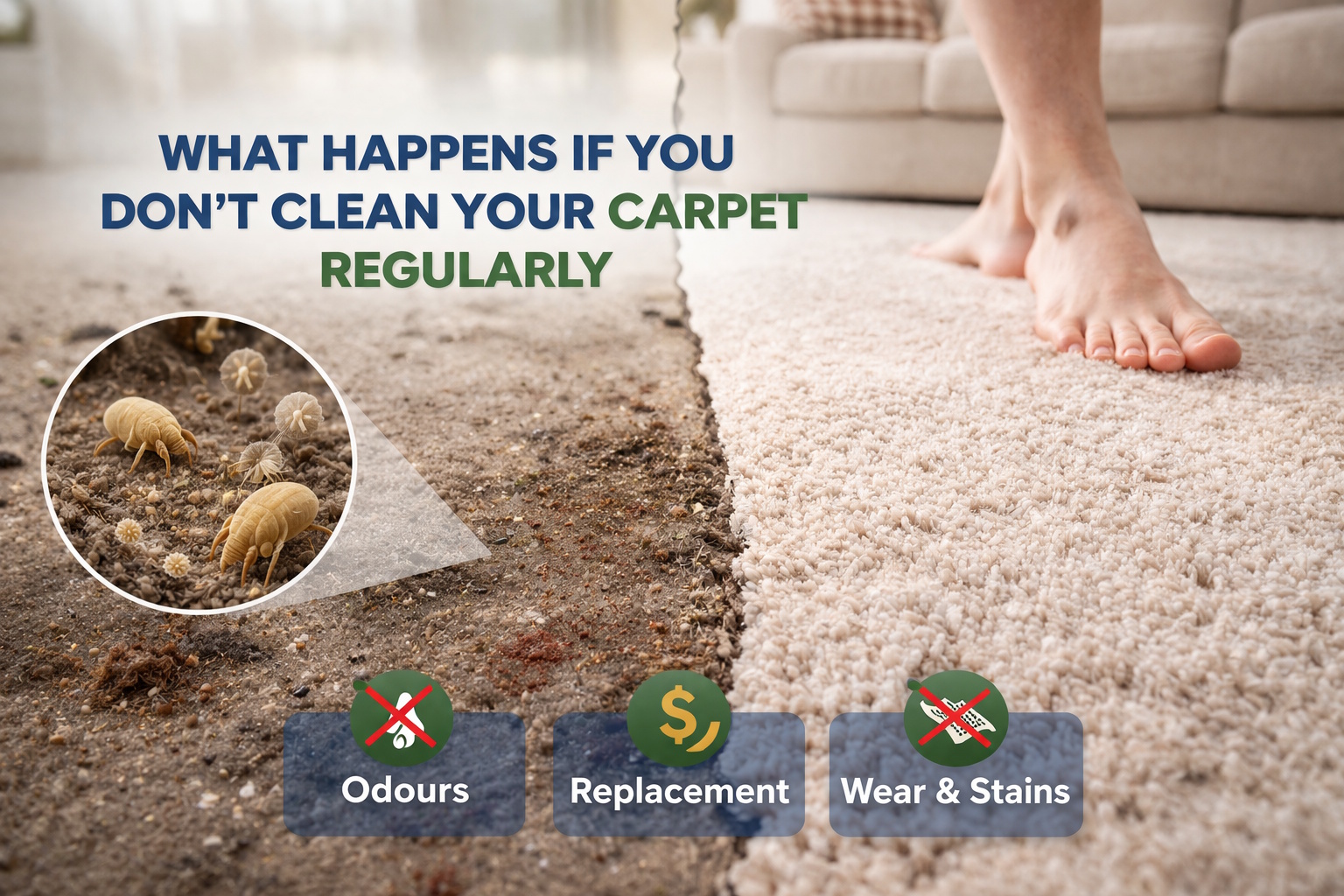
There’s also a long-term effect to consider. Dirt trapped in carpet acts like fine sandpaper. Every step slowly wears down the fibres. Without periodic deep cleaning, carpets age faster, flatten sooner, and lose their original look much earlier than expected.
Simple habits help - removing shoes, vacuuming regularly, reacting quickly to spills. But they don’t replace deep cleaning. They only slow down the buildup.
A clean-looking carpet and a truly clean carpet are not the same thing. The difference is what you don’t see - and that’s exactly what matters most.