Carpet Fiber Types Explained: Why Cleaning Results Differ Between Nylon, Polyester, and Wool
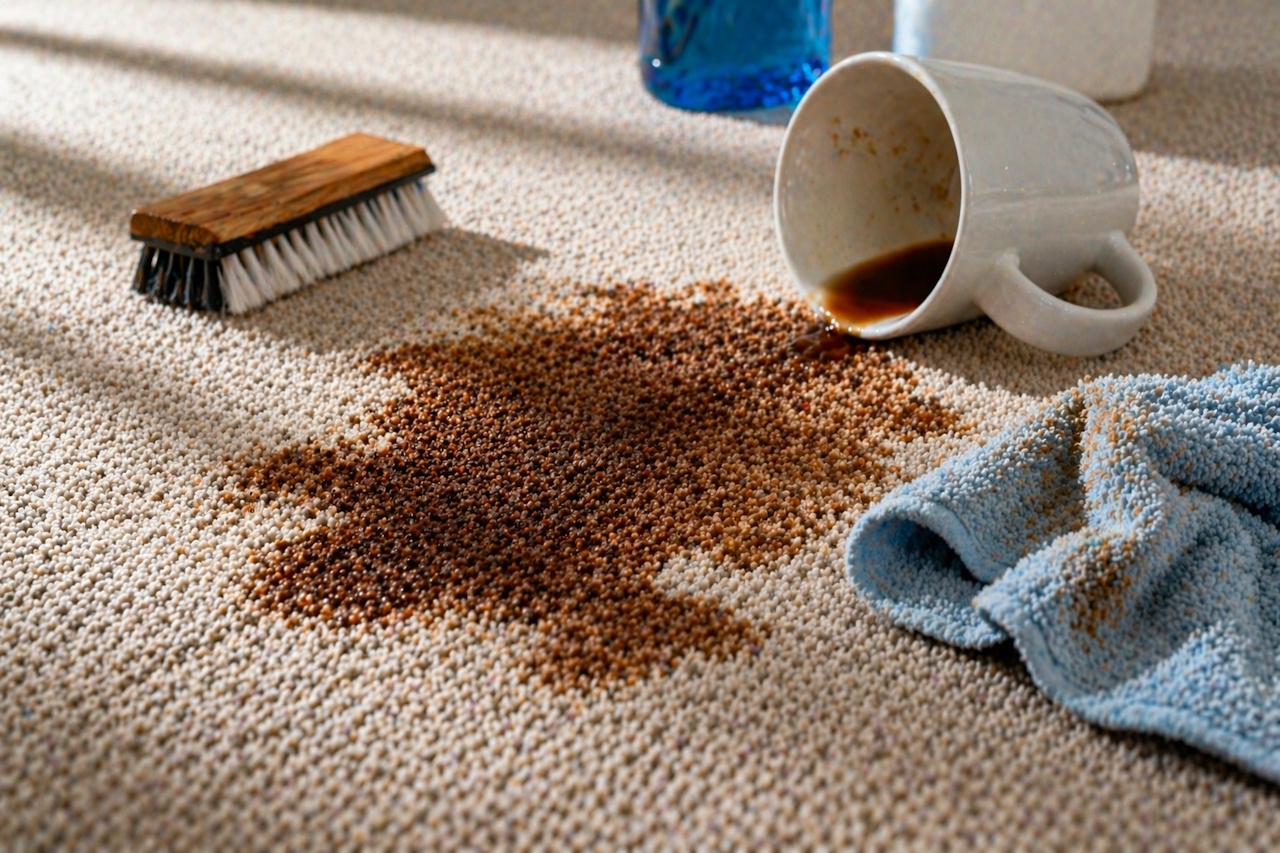
One of the most overlooked reasons why carpet cleaning results vary from one home to another is fibre type. Many cleaning instructions assume all carpets behave the same way, but in practice, the material determines how a carpet absorbs stains, responds to cleaning solutions, and recovers after treatment.
Understanding fibre differences explains why one carpet cleans up easily while another retains marks, develops texture changes, or reacts poorly to the same method.
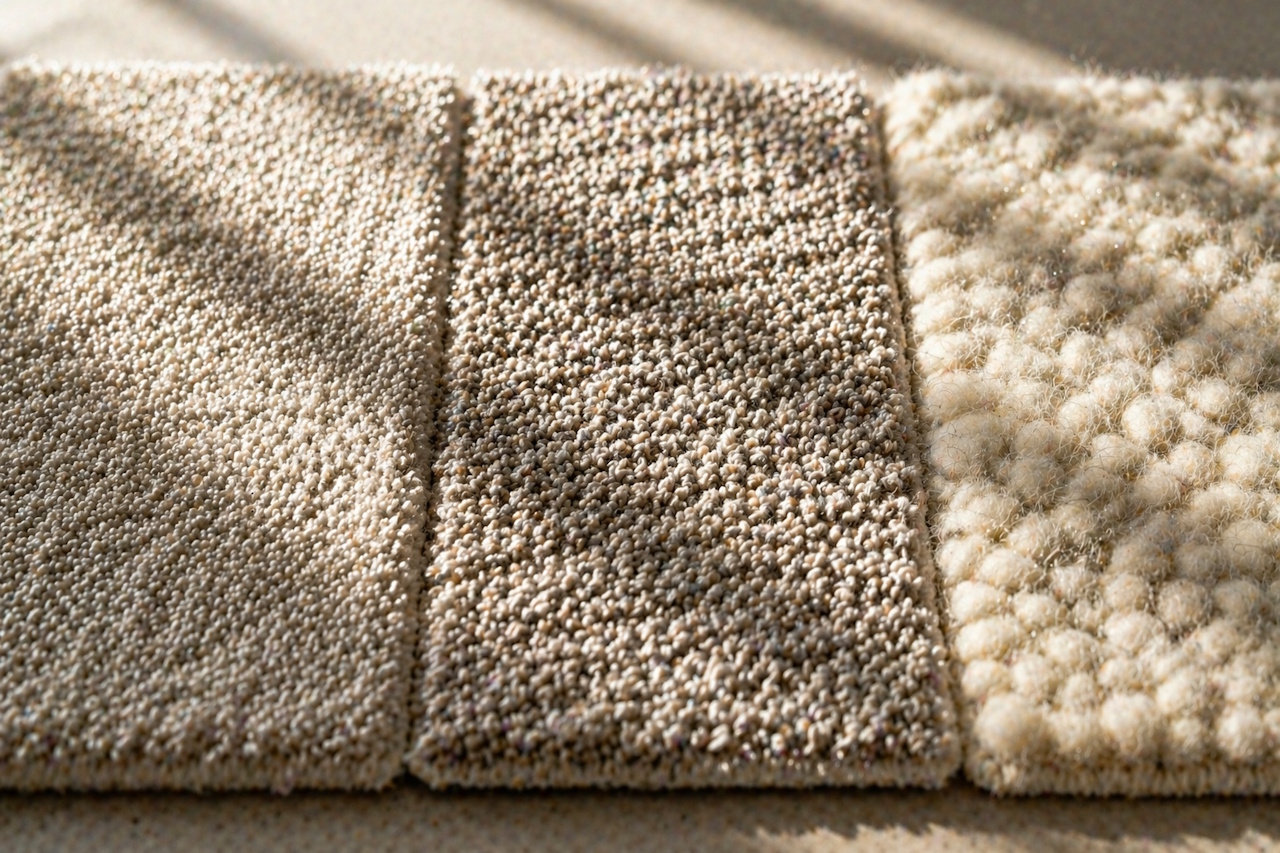
The three most common residential carpet fibres are nylon, polyester, and wool. Each has distinct physical and chemical properties that directly affect cleaning outcomes.
Nylon is often considered the most durable synthetic carpet fibre. It has strong resilience, meaning it can recover its shape after being compressed by foot traffic. This makes it common in high-traffic areas.
From a cleaning perspective, nylon is relatively responsive to professional methods. It can release soil effectively when treated with the correct combination of heat, agitation, and extraction. However, nylon is not fully stain-proof. It can absorb dyes under certain conditions, especially if the stain is left untreated or exposed to heat prematurely.
Another characteristic of nylon is its interaction with oils. While it handles general soil well, oily residues can attach to the fibre and attract more dirt over time. If not fully removed, this can lead to recurring dullness in traffic lanes.
Polyester behaves differently.
It is naturally more resistant to water-based stains, which means spills like juice or wine may not penetrate as quickly as they would in other fibres. This can give the impression that polyester is easier to maintain. However, this resistance does not apply equally to oils.
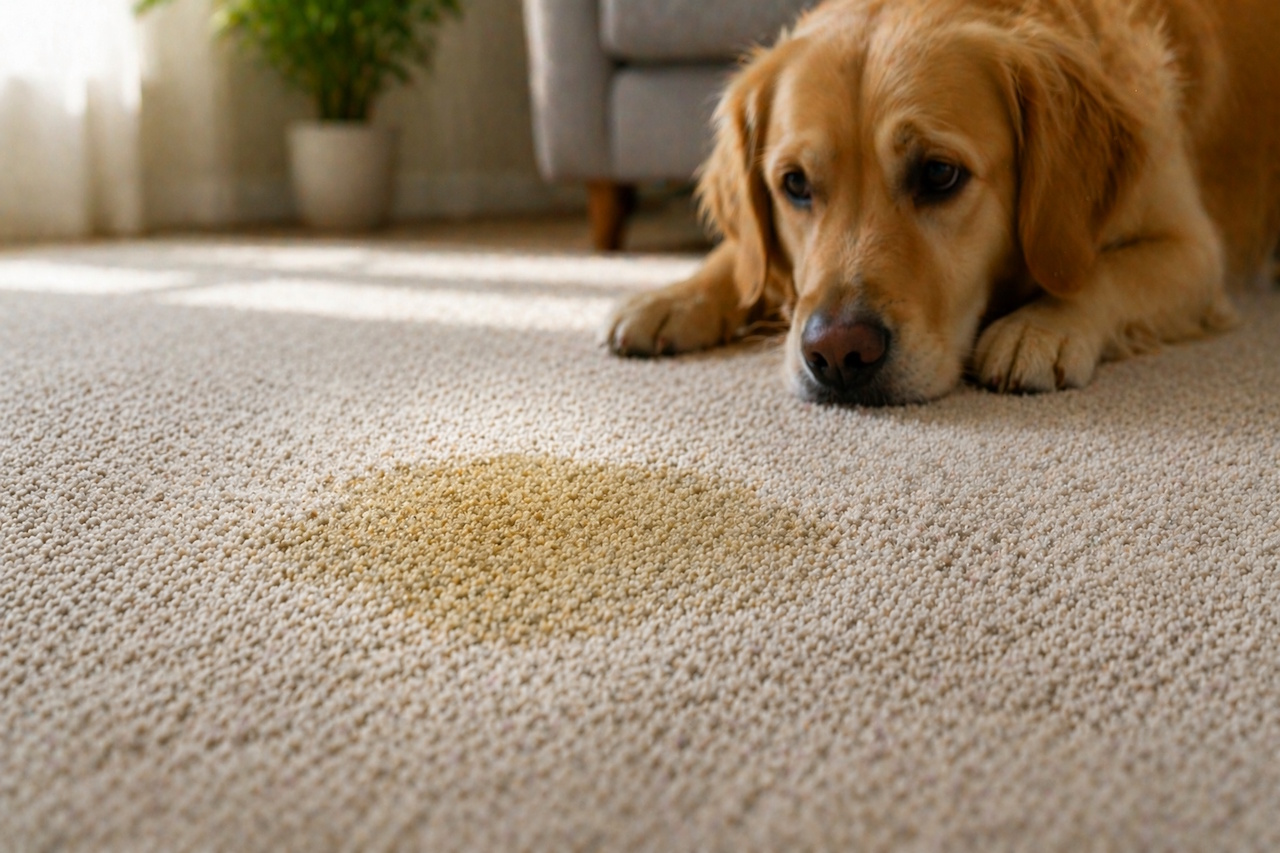
Polyester has a tendency to attract and hold onto oily substances. This includes body oils, cooking residues, and airborne contaminants. Over time, these oils can create a film on the fibres that traps soil and leads to visible darkening, particularly in frequently used areas.
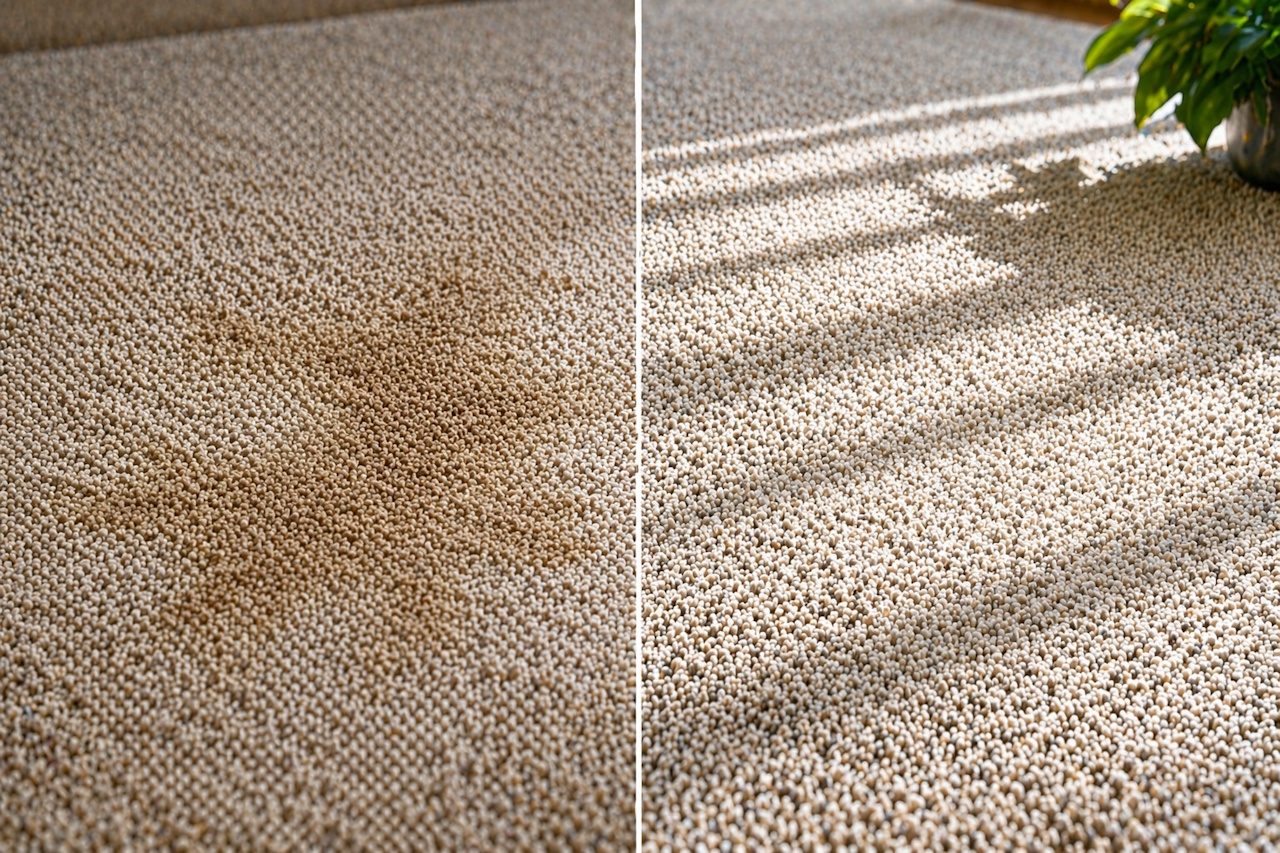
Cleaning polyester effectively often requires stronger emphasis on breaking down oils before extraction. Without that step, the carpet may look improved immediately after cleaning but return to a dull appearance relatively quickly.
Wool is fundamentally different from synthetic fibres.
As a natural fibre, wool has a complex structure that makes it both resilient and sensitive. It can absorb moisture, regulate humidity to a degree, and provide a softer feel underfoot. At the same time, it reacts more strongly to chemicals, temperature, and mechanical action.
Wool is more vulnerable to high alkalinity and aggressive cleaning agents. Using the wrong chemistry can damage the fibre, strip natural oils, or cause colour changes. Heat must also be controlled carefully. Excessive temperature can distort the fibre structure or contribute to shrinkage in certain conditions.
Stain behaviour in wool is also unique. Because it is more absorbent, liquids can penetrate more deeply and quickly. This makes immediate response important. Once a stain settles into wool, removal can be more complex than with many synthetic options.
Another factor is colour stability.
Different fibres hold dye in different ways. Some are more resistant to colour loss, while others can be affected by cleaning solutions, sunlight, or chemical exposure. This is why two carpets exposed to the same cleaning process may show different results in terms of brightness and consistency.
Beyond the fibre itself, carpet construction also plays a role.
Pile height, density, and backing material all influence how contamination moves through the carpet and how easily it can be extracted. A dense, high-pile carpet can trap more soil and require more thorough cleaning, while a lower, tighter construction may release soil more readily but show wear patterns more quickly.
This combination of fibre and construction explains why general advice often fails.
For example, a cleaning approach that works well on a synthetic, low-pile carpet may be too aggressive for wool or insufficient for a dense polyester carpet with heavy oil buildup. Without adjusting the method, the result may be incomplete cleaning or unintended damage.
Professional cleaning takes these variables into account.
Before cleaning begins, fibre identification is a key step. This determines the appropriate cleaning agents, temperature range, agitation level, and drying strategy. Skipping this step increases the risk of poor results or long-term issues.
Another common misconception is that stronger chemicals always lead to better cleaning.
In reality, using overly aggressive solutions can weaken fibres, affect colour, or leave residues that attract more soil. Effective cleaning depends on matching the chemistry to the fibre and the type of contamination, not simply increasing strength.
Drying behaviour also varies by fibre.
Some materials release moisture more quickly, while others retain it longer. Improper drying can lead to odour, microbial growth, or texture changes. This is especially important in thicker carpets or environments with limited airflow.
The idea of a universal carpet cleaning method does not hold up in real conditions.
Each fibre type requires a slightly different approach to achieve the best result without compromising the material. Nylon benefits from thorough extraction and proper residue removal. Polyester requires attention to oils and preventative maintenance. Wool demands controlled chemistry and careful handling.
Understanding these differences changes how cleaning decisions are made.
Instead of asking which product or method is best in general, the more accurate question is which approach is correct for this specific carpet. That shift in perspective is what separates inconsistent results from reliable ones.
Cleaning success is not only about removing visible dirt. It is about preserving the structure, colour, and lifespan of the carpet while eliminating contamination. Fibre type is one of the primary factors that determines how well that balance is achieved.