Hot Water Extraction vs Steam Cleaning: What Actually Cleans Carpet Better
Many homeowners use the terms steam cleaning and hot water extraction as if they mean exactly the same thing. In everyday conversation, that confusion is understandable. In professional carpet cleaning, however, the difference matters because the wording shapes what people expect and what type of result they think they are paying for.
The short version is this: what most people call steam cleaning is usually hot water extraction. True steam, in the literal sense, is not the standard method used to deep clean residential carpet. Professional carpet cleaning systems normally rely on hot water under pressure, cleaning solution, agitation, and powerful extraction to flush soil out of the carpet and recover it.
That distinction is important because many misconceptions about carpet cleaning come from the word steam itself. People imagine vapour only, high heat only, or a quick surface sanitizing pass. Deep carpet cleaning is much more than that.
To understand which method cleans better, it helps to look at what soil in carpet actually consists of.
Carpet does not only collect visible dirt. It traps dry soil, skin particles, oils, food residue, pollen, fine grit, pet dander, and sticky residues from foot traffic. Some of that contamination sits near the fibre tips, but a large portion settles deeper into the pile. Once oils and fine soil combine, the carpet begins to hold onto more dirt over time. This is why traffic lanes darken and why vacuuming alone eventually stops being enough.
Any method that claims to clean carpet properly has to do more than brighten the surface. It has to break down bonded soil, suspend it, and remove it from the carpet rather than simply redistribute it.
That is where hot water extraction has a clear advantage.
Hot water extraction works by applying a controlled mix of hot water and cleaning solution into the carpet, loosening soil inside the pile, and then immediately extracting that moisture along with suspended debris using powerful vacuum recovery. When done correctly, this process does not just treat the top layer. It cleans through the pile and removes contamination from deeper within the carpet.
The reason this method performs well is not just the heat. It is the combination of several factors working together: temperature, solution chemistry, water pressure, dwell time, agitation, and extraction. Heat helps break down oily residues. Cleaning agents help separate soil from fibre. Pressure helps rinse through the pile. Vacuum extraction removes both the moisture and the loosened contamination.
In other words, the cleaning power comes from a system, not from one element alone.
What people call steam cleaning often refers to this same extraction process. The label stuck because the water is hot and the machine produces visible warmth and moisture. But true steam, meaning water turned into vapour at very high temperature, is not generally the primary mechanism for carpet cleaning in homes. Pure steam can be useful on certain hard surfaces or for limited detail work, but for broad carpet cleaning it is not usually the method that delivers the deepest soil removal.
A carpet needs flushing and recovery, not just heat exposure.
This is why hot water extraction is widely considered the professional standard for deep carpet cleaning. It does what surface-focused methods often fail to do: remove embedded residue rather than only improve appearance.
That said, the method alone does not guarantee a good result. Poor execution can still lead to overwetting, slow drying, recurring spots, or residue left behind. The difference between a strong result and a disappointing one often comes down to technique.
For example, some operators use too much detergent and do not rinse thoroughly. Others over-wet the carpet but lack the vacuum strength to recover enough moisture. In those cases, the carpet may look clean at first, then feel sticky later or develop recurring marks as residue rises back to the surface during drying.
This is one reason many homeowners become skeptical after a bad cleaning experience. They do not necessarily receive a poor method. They receive poor application of a good method.
By contrast, low-moisture or surface cleaning approaches can have a place, but they are not direct substitutes for full extraction when a carpet is heavily soiled. Surface methods may improve appearance, freshen up maintenance accounts, or provide faster dry times. But when carpet contains deep traffic soil, oils, pet residue, or accumulated contamination, hot water extraction usually remains the more complete solution.
The central question is not which method sounds better in advertising. It is what the carpet actually needs.
If the main issue is deep soil buildup, extraction is usually the stronger choice. If the goal is interim maintenance between deeper cleans, another method may sometimes be reasonable. Problems begin when light maintenance cleaning is marketed as if it can produce the same result as true restorative cleaning.
Another common misunderstanding involves sanitization.
Some people assume steam cleaning must be superior because high temperature sounds more hygienic. Heat does help, but temperature alone is not the full picture. A hygienic carpet cleaning result depends on removal, not just exposure. If contamination remains in the carpet after treatment, then the process has not fully solved the problem. Hot water extraction is effective not because it sounds hotter, but because it physically removes a substantial amount of the material causing odour, dullness, and buildup.
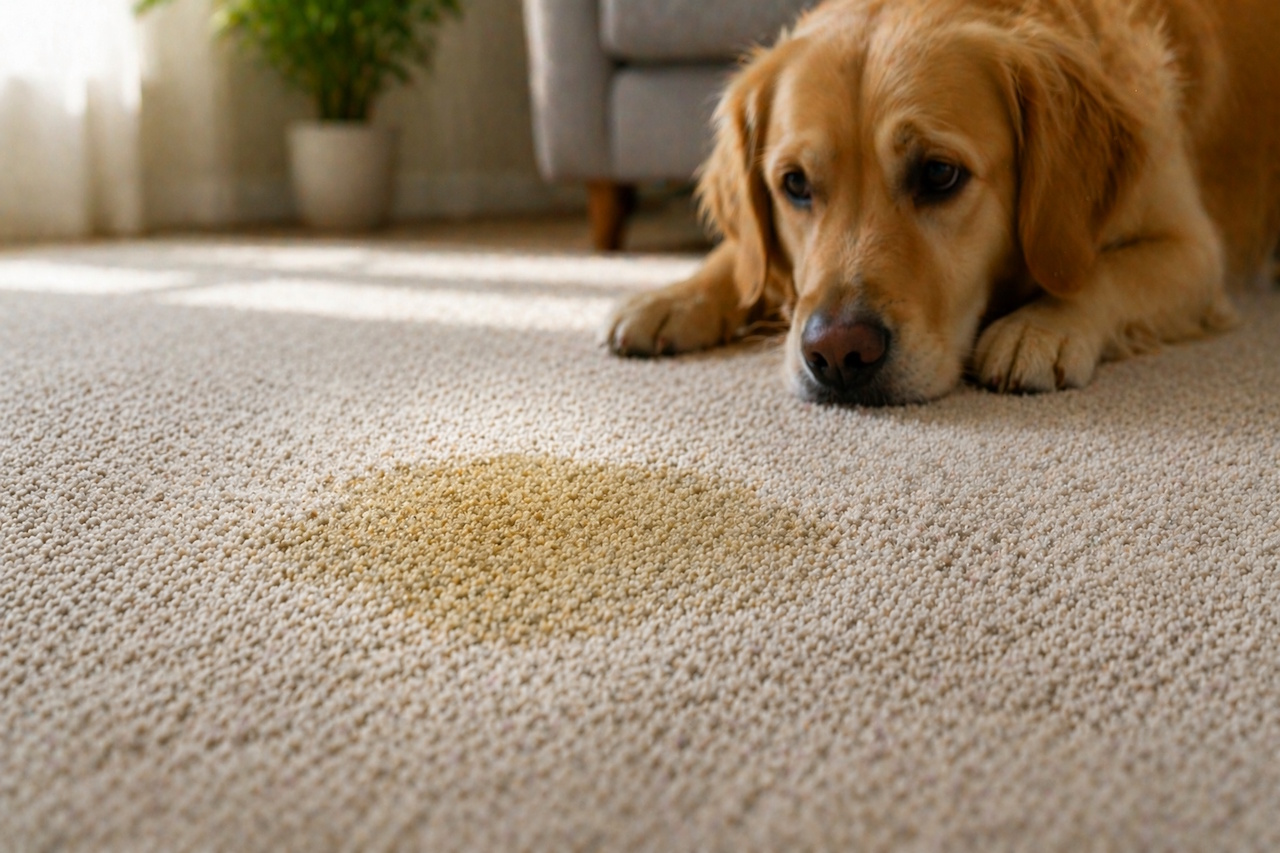
This is especially relevant in homes with children, pets, or allergy concerns. In those environments, lifting and extracting contaminants matters more than simply making the fibres look brighter.
Dry time is another area where the comparison is often oversimplified.
Some homeowners avoid hot water extraction because they think it automatically means a soaked carpet that takes days to dry. That is usually a sign of outdated equipment, over-application, or weak extraction. Modern professional systems, when used correctly, should leave the carpet damp rather than saturated. With proper airflow and normal indoor conditions, drying is often measured in hours, not days.
The idea that deep cleaning must leave carpet waterlogged is not a feature of the method itself. It is usually a sign that the method was performed badly.
At the same time, very fast drying should not be the only measure of success. A cleaning process can dry quickly because it applied very little moisture and removed very little from the carpet. Speed alone is not proof of depth.
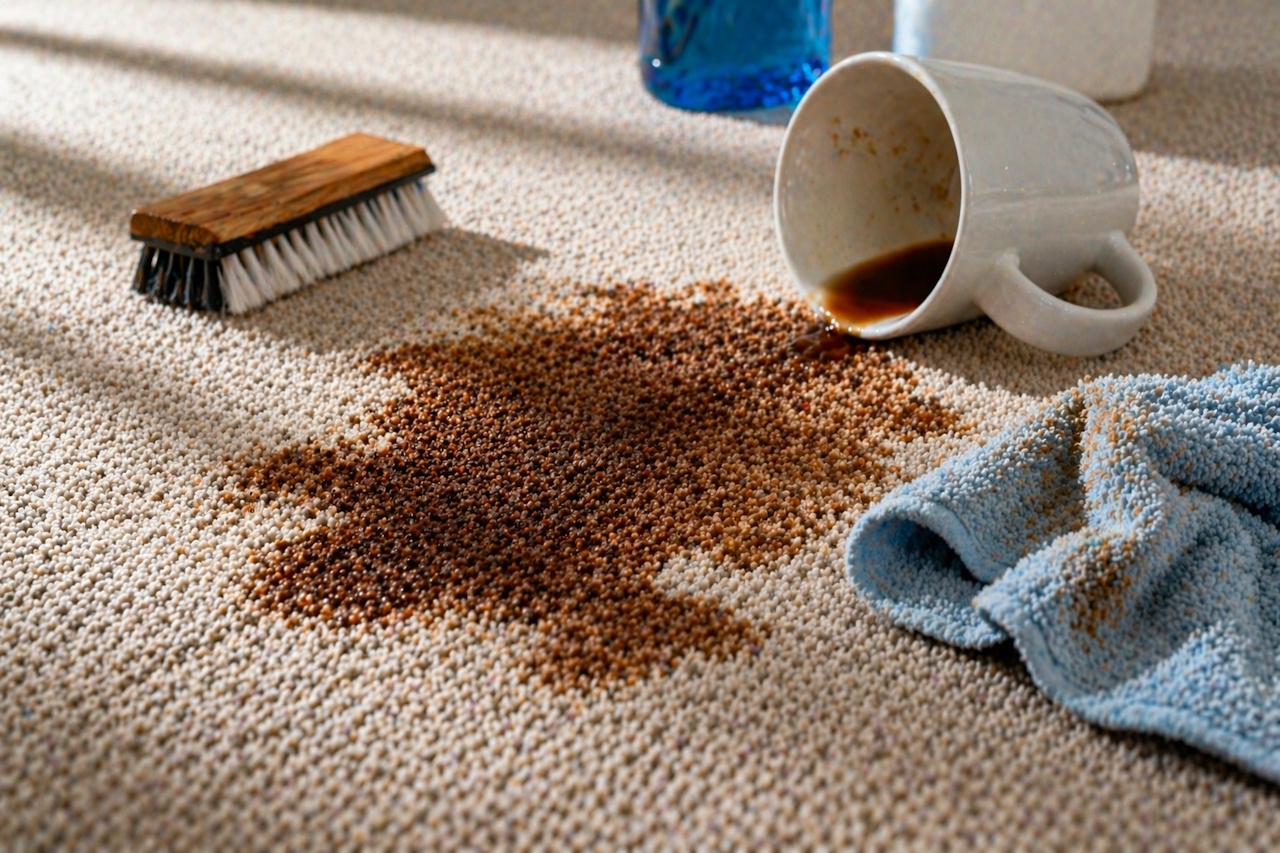
For stain treatment, hot water extraction also tends to be more versatile because it can be paired with specialized spotting chemistry and thorough rinsing. Some stains need more than heat. They need identification, targeted treatment, controlled agitation, and then complete extraction of the loosened residue. Without that final removal step, the problem can reappear.
That is why a proper professional cleaning process often includes inspection, pre-treatment, agitation of traffic areas, extraction, spot work, and post-clean evaluation. It is not a single pass across the floor. It is a sequence designed to clean the carpet comprehensively and safely.
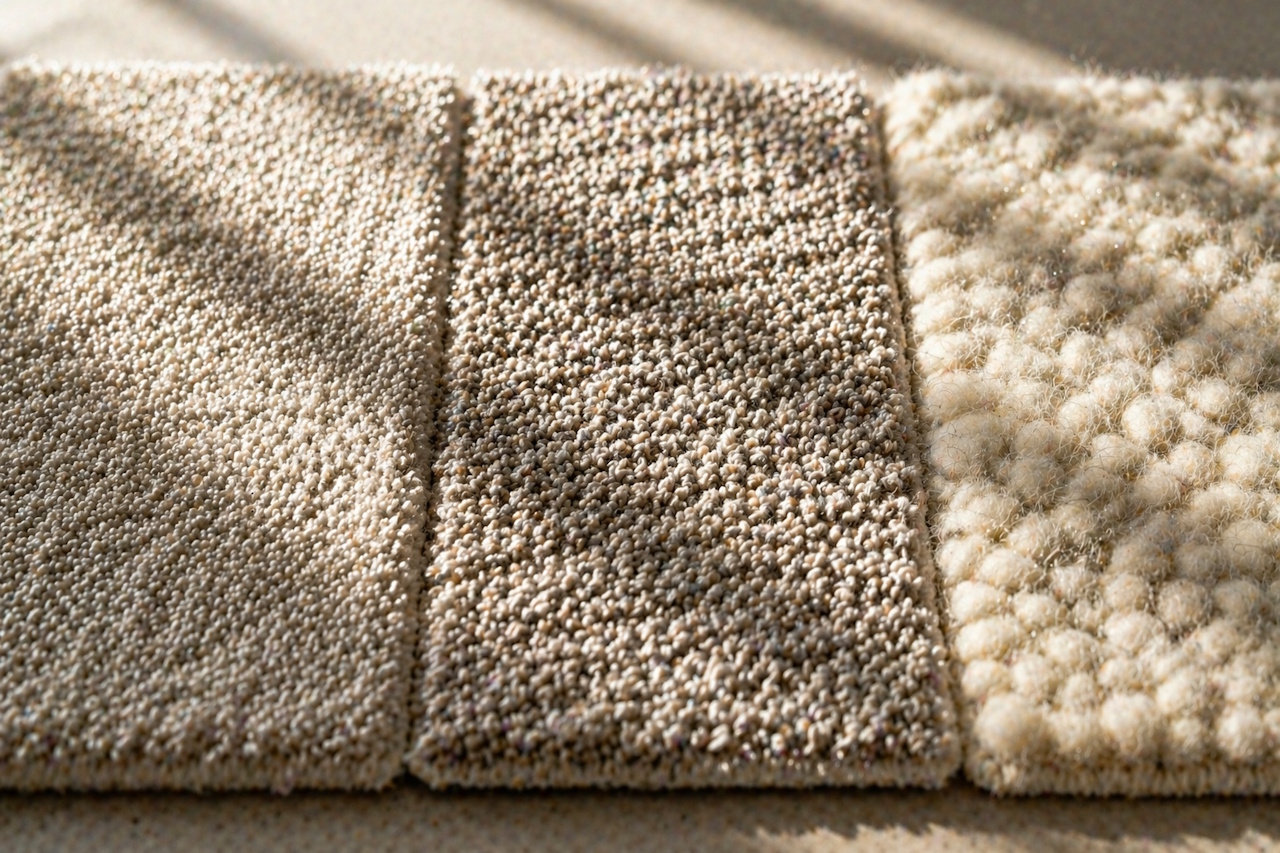
There is also a major difference between cleaning carpet and cleaning upholstery, even though companies often offer both services. Upholstery fabrics may require lower moisture, different chemistry, and more delicate handling. A method that is ideal for a synthetic wall-to-wall carpet is not automatically right for a sofa or chair. Professional cleaners who understand this difference tend to produce more consistent results across both services.
So which method actually cleans carpet better?
If the comparison is between true professional hot water extraction and the vague marketing term steam cleaning, then the answer is that hot water extraction is usually the real process doing the work. If the comparison is between deep extraction and lighter surface methods marketed as steam cleaning, then hot water extraction generally provides a deeper and more thorough clean when the carpet is meaningfully soiled.
The better method is the one that removes the most contamination without damaging the carpet or leaving behind residue.
In practical terms, homeowners should look beyond the label and ask what the process includes. Is there pre-treatment? Is the carpet rinsed and extracted properly? Is the equipment strong enough for recovery? Is fibre type considered? Are spots treated individually? How is drying managed?
Those questions matter far more than whether the service is advertised under the word steam.
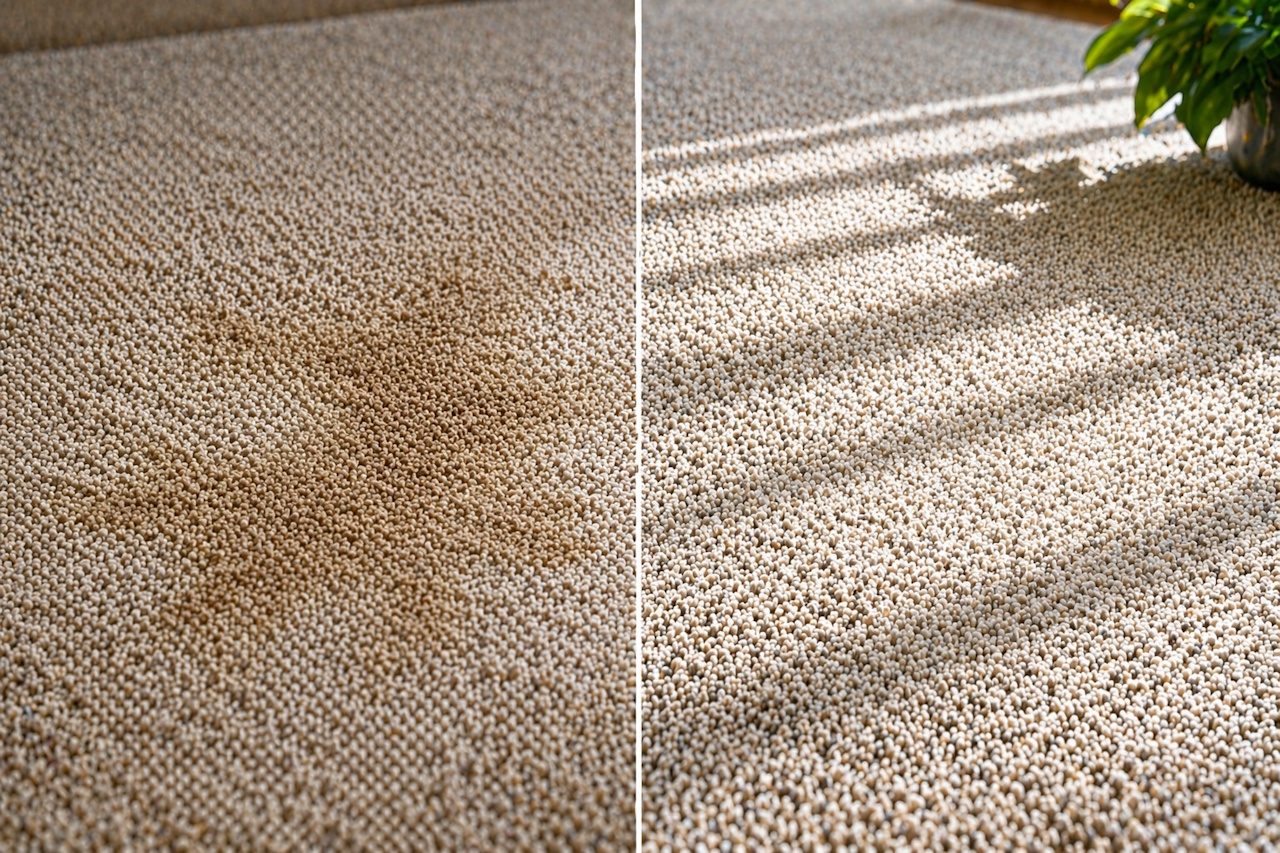
A clean-looking carpet is not always a deeply cleaned carpet. The real difference comes from soil removal, residue control, and how well the process matches the condition of the carpet. That is why, in most real residential settings, hot water extraction remains the method that delivers the better result when deep carpet cleaning is the goal.